Tape Deck Treasure or Ticking Clock? A Charity-Shop Cassette Hunt for 2026
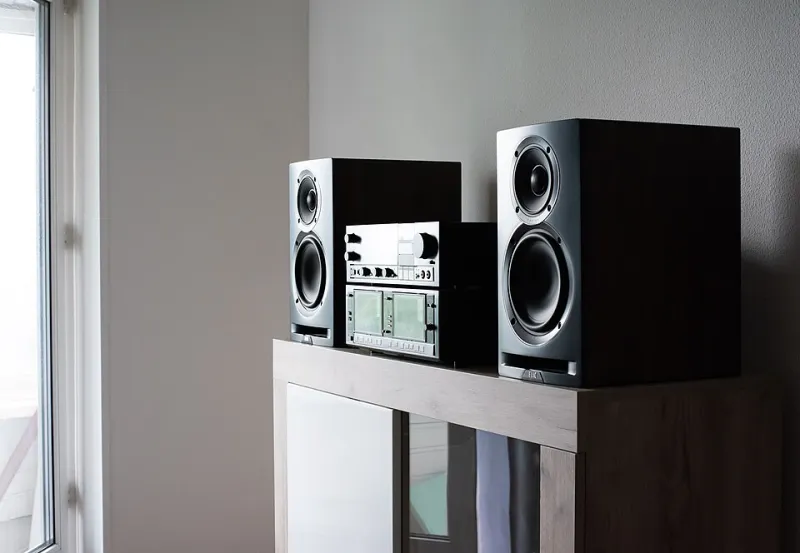
Photo: kishjar? from Moscow, Russia, CC BY 2.0, via Wikimedia Commons
There is a particular smell to a charity-shop cassette deck. Warm plastic, old dust and the faint ghost of somebody’s garage. You will find them stacked near the CD players and the mystery remote controls, usually with a handwritten label saying “worked last time” and a price sticker that makes a new record look extravagant. In 2026, that is part of the appeal. Cassettes are cheap, tactile and slightly ridiculous in a way that makes them fun. But a bargain deck can also be somebody else’s repair bill in a plastic shell.
Why cassette decks keep washing up in British charity shops
Cassette decks had a long, unglamorous life in this country. They sat under televisions, beside radiograms and in teenage bedrooms, dubbing albums and making mixtapes with more care than most of us now apply to anything. When CD arrived, then MP3, then streaming, a lot of them went into lofts. Now they are coming back out as house clearances, downsizing and the great British car-boot cycle do their thing.
The upside is obvious: a working two-head deck can cost less than a decent lunch. The downside is that rubber does not age gracefully. A deck that has been in a cold garage for fifteen years may look immaculate and still need more attention than a neglected motorbike.
First, the boring safety bit
Before you hand over your pound coins, look at the mains lead. Frayed cable, a cracked plug, exposed inner wires or a smell of scorched plastic are all hard no. Charity shops will often PAT-test electrical goods, but not every car-boot seller will. If you are buying from a shop, ask whether it has been tested. If the answer is vague, treat it as a project rather than a plug-in-and-play purchase.
At home, plug it into a fused adaptor or an RCD-protected socket, not a daisy chain of extension leads under a rug. Keep the volume low when you first power it up. And use headphones for initial testing if the deck has a headphone socket, because it keeps the signal close to your ears and saves you from waking the whole house if the thing howls.
The belt is the heart of the bargain
Most cheap charity-shop decks are belt-driven. That is good news for repairers, because belts are cheap and replaceable. It is bad news for buyers, because old belts turn into something between chewing gum and a perished elastic band.
Press play with no cassette inside. The capstan should spin. If the mechanism groans, stalls or starts and stops, the belt may be slipping. On some decks you can see the belt through a vent or by removing a small cover, but do not start dismantling anything on the shop floor. Just listen and watch.
A belt kit for a common Japanese deck often costs less than a takeaway. An obscure brand from a defunct catalogue can be a different story. If the deck is a no-name silver slab with no service information online, assume you are on your own.
Pinch rollers, heads and the sticky stuff
The pinch roller is the rubber wheel that pulls the tape past the heads. It should be smooth, slightly matte and firm. If it feels shiny, hard or tacky, it may need cleaning or replacing. A sticky roller can chew tapes, which is the fastest way to turn a cheap deck into an expensive mistake.
Look at the heads. You are not expecting perfection, but deep grooves or visible flat spots are bad news. A little dark oxide is normal. A mirror-like shine across the whole head is not. If the deck has a tape counter, give it a gentle press; if it is stuck, that tells you something about the level of care it has had.
Take a sacrificial cassette with you. Not your favourite mixtape, not a prized early pressing. A cheap tape you do not mind losing is the single best diagnostic tool. Play it for thirty seconds. Listen for speed wobble, dropouts and mechanical scraping. Then try fast-forward and rewind. If the tape spills into the mechanism, stop and walk away.
Motor noise and the hiss you can live with
Every cassette deck has some hiss. That is part of the format. What you do not want is a motor that rumbles like a fridge or a transport that clicks in time with the music. Put on headphones, turn the volume down and listen between tracks. A little background noise is normal. A rhythmic thump or a high-pitched whine is a sign of tired bearings or a failing motor.
Dolby B and C can help with hiss, but only if the deck is calibrated properly. On a cheap secondhand machine, do not expect miracles. If the cassette sounds dull on one side and bright on the other, the head may be misaligned or the tape path dirty.
So is it lo-fi charm or just broken?
This is the real question. A cassette deck is never going to be a high-resolution source. Even a good one has limited bandwidth, audible hiss and a certain softness. That can be charming. It can make a homemade compilation feel like a small event. It can take the edge off a bright digital system and give a second setup in a study or kitchen a bit of personality.
But charm is not the same as competence. If the deck cannot hold speed, eats tapes or sounds like it is playing through a wet sock, it is not lo-fi. It is broken. The difference matters because repair time is real time. A £10 deck that needs a belt, a roller and a head clean is still a bargain if you enjoy the work. A £10 deck that needs a new motor, a new head and an alignment you cannot do yourself is a donation back to the charity shop.
A sensible buying checklist
Take a tape, a pair of headphones and a torch. Check the mains lead. Look at the pinch roller and heads. Press play with no tape and listen to the transport. Play the sacrificial tape and try all the controls. Ask about returns. Charity shops are often fair about faulty goods, but car-boot sellers are not obliged to be.
If it passes, clean the heads and capstan with isopropyl alcohol and a cotton bud. Let it dry. Then play something you love. A cheap cassette deck will not replace your streamer or your turntable, but it might just become the most enjoyable oddity in your system. And in 2026, that is worth a few quid and a bit of patience.