Bass in the Bay: A Practical 2026 Guide to Stereo Sound in Period UK Homes
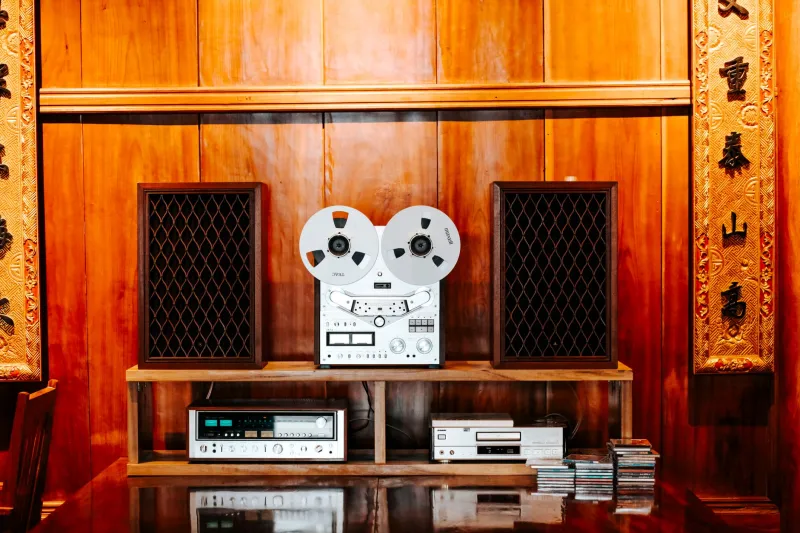
If you live in a Victorian or Edwardian terrace, your room is already part of the system. The bay window, the chimney breast, the original sash windows and the suspended timber floor are not just period features. They are acoustic features, and they have opinions. The good news is that none of this makes good sound impossible. It just means you have to work with the room rather than pretending it is a blank studio box.
The bay window is a boundary, not a stage
A bay window looks like a natural place to put speakers. It is out of the way, it frames the room nicely and it keeps cables away from the sofa. Acoustically, though, a bay is a cluster of boundaries: glass, reveals, sill, corners and often a radiator underneath. Put a speaker in there and it can end up close to several reflective surfaces at once. Bass often becomes uneven, while the stereo image can smear because one speaker is seeing a very different set of boundaries from the other.
Glass is especially good at reflecting high frequencies. That can make the top end sound bright and brittle, and sash windows may add their own rattle at certain bass notes. The answer is not necessarily to brick up the bay. Start by pulling the speakers out of the window recess and setting them up along a solid wall if you can. Aim for a simple triangle with the listening seat, keep the tweeters near ear height and make sure both speakers have similar space around them. If the bay is the only sensible option, pull the speakers forward so they are not buried in the recess, close the curtains, and avoid shoving them into the corners.
For renters, heavy curtains and a thick rug are easy wins. Freestanding acoustic panels can help too, and they do not require drilling. Owners have more options, such as shutters, secondary glazing or built-in seating with soft furnishings, but the first move is still placement.
Chimney breasts make one channel work harder
Chimney breasts and alcoves are another classic terrace problem. A speaker placed in an alcove is effectively in a small room of its own. It gets extra bass reinforcement from the nearby walls, and it may also suffer from reflections that colour the midrange. If one speaker sits in an alcove and the other is out in the open, the system is unbalanced before you have touched the volume knob.
Centring the system on the chimney breast can work, but it often means the speakers are closer together than ideal, and the breast itself becomes a big reflective object between them. Where possible, keep both speakers on the same wall, at the same distance from the side walls, and out of deep alcoves. A tape measure is more useful here than any upgrade. Room correction can balance some of the damage, but it cannot fix a fundamentally lopsided setup.
Suspended floors let bass escape
Many period homes have suspended timber floors, and they are charming until you want deep bass. The floor flexes, the speakers excite it, and some of that energy heads downstairs rather than into the room. This is why a system can sound thin in the seat but boomy in the hallway, or why your neighbour knows exactly which track you are playing.
Isolation pads under speakers and subwoofers are a sensible first step, especially in flats and terraces. They are cheap, reversible and renter-friendly. A rug between the speakers and the listening position can reduce some floor reflections. Subwoofer placement matters too: a corner may give you more output, but it often gives you more one-note boom as well. Try a few positions, including slightly off-centre, and listen from the main seat rather than from beside the sub.
Sash windows, radiators and flutter
Original sash windows are lovely, but they can rattle. A window that buzzes on a bass note is not adding atmosphere; it is adding distortion. Check for loose catches, rattling panes and anything resting on the sill. Felt pads or thin foam can help with vibration, but avoid anything that compromises the window or blocks ventilation. Heavy curtains help with reflections and can make the room feel calmer without turning it into a studio.
Also resist the urge to push furniture or acoustic panels against radiators. You need airflow for heating, and blocking a radiator is a poor trade for a marginal acoustic gain. Bookshelves, soft seating and rugs are better ways to break up hard reflections in a period living room.
The 2026 fix: measure, then compromise
The modern toolkit is genuinely useful, but it is not magic. A measurement microphone and free software such as REW can show you what the room is doing, especially below a few hundred hertz. Many 2026 streamers, AV receivers and active speakers include room correction, and a little parametric EQ can tame a bass peak. What it cannot do is fill a deep null, fix a speaker jammed into an alcove or make an asymmetric setup image properly.
So the order is still placement first, furniture second, correction third. Measure from the listening seat, move the speakers a few centimetres at a time, and use EQ gently. If you are renting, stick to removable treatment, curtains, rugs and isolation pads. If you own the place, bass traps in corners and panels at the first reflection points can be worthwhile, but only after you have sorted the basics.
A terrace tuning checklist
- Measure the room and mark the listening position before moving anything.
- Pull the speakers out of the bay window recess and away from the front wall.
- Keep both speakers at a similar distance from side walls and out of deep alcoves.
- Check that sash windows and loose fittings do not rattle on bass-heavy tracks.
- Use heavy curtains, rugs and soft furnishings to calm hard reflections.
- Put isolation pads under speakers and subwoofers on suspended floors.
- Try several subwoofer positions, including off-centre, and judge from the main seat.
- Use room correction below the transition frequency, not as a plaster for bad placement.
- Leave space around radiators and vents.
- Test at realistic listening levels, including the volume you actually use after 11pm.
A Victorian terrace will never behave like a purpose-built listening room, and that is fine. The trick is to accept the quirks, fix the cheap and reversible problems first, and spend money only where it solves a real issue. Get the bay, the chimney breast and the floor working with you rather than against you, and a very ordinary UK living room can sound far better than its period features suggest.