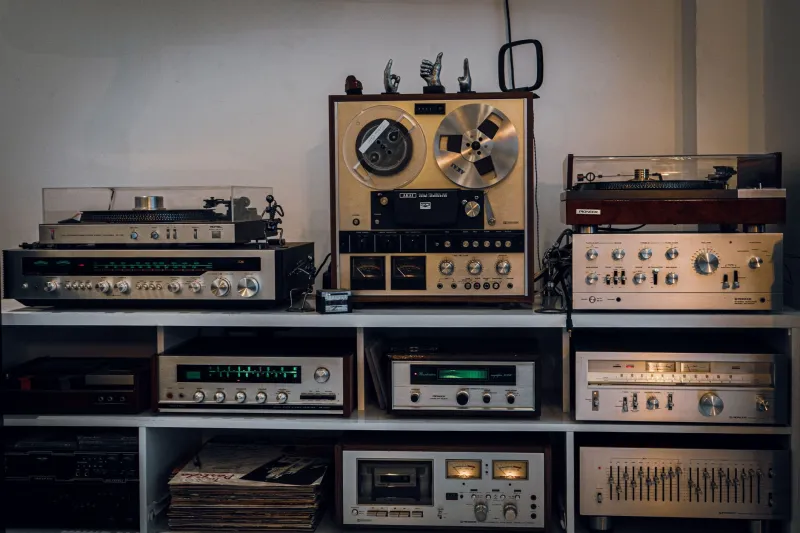
Shelf Life: Where Your Records Should Actually Live in a British Home
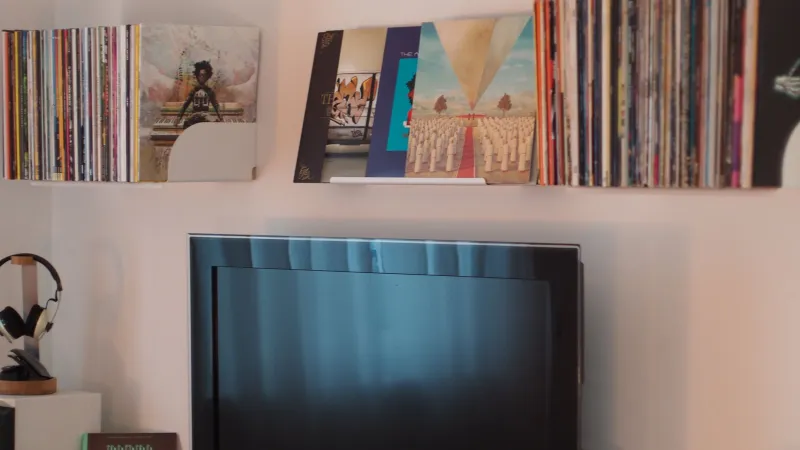
There is a moment in every record collector’s life when the question stops being “where does this one go?” and becomes “is the floor actually happy about this?” Vinyl is heavy, it dislikes British weather, and it has a quiet talent for making an ordinary shelf look brave right up until the moment it bows in the middle. Storage is not admin. It changes how the records sound, how often you play them and whether that lovely 1970s pressing is still flat in five years’ time.
Begin with the floor, not the shelf
A single LP in a sleeve is roughly 200g. That sounds trivial until you do the maths on a metre of shelving: around 250 records, so about 50kg, before you add the shelf itself. A two-metre run can easily top 100kg. Put that against a plasterboard wall in a first-floor flat and you are asking a lot of a few rawl plugs.
In period homes, the bigger risk is often not collapse but slow bowing and vibration. A shelf that flexes under load is not a stable home for a collection. Keep heavy runs low, spread weight across several units rather than one tall tower, and anchor anything taller than waist height to a wall. If you rent, ask before drilling — a freestanding unit with an anti-tip strap fixed into a stud is usually acceptable, and it is cheaper than replacing a fallen shelf and a bruised collection.
Heat, light and the British damp problem
Vinyl warps when it gets warm and stays warm. Radiators, south-facing windows, underfloor heating and the top of a cupboard above a boiler are all bad neighbours. So is the loft, the shed and the conservatory, which swing between sauna and freezer. Records want what you want: a stable, dry room with modest temperature changes.
Damp is the quieter enemy. In solid-walled terraces and older flats, an outside wall can feel cold and slightly damp behind furniture. Sleeves go musty, paper cockles and mould blooms on the spines. Leave a gap between the shelving and the wall so air can move, avoid stacking records directly on a concrete floor, and keep an eye on corners behind sofas. A small dehumidifier in a genuinely damp room is more useful than silica sachets scattered around the collection; if you do use silica, keep it in a closed cupboard, not touching the records.
Direct sunlight fades spines and heats sleeves. A bay window is a beautiful place for a listening chair and a terrible place for a record collection. If the only wall available catches the sun, use a blind or a solid cabinet rather than open shelving.
Store them upright, and not too tightly
Records should stand vertically, like books, with just enough support to stop them leaning. Lean a row too far and the bottom records take the load; cram them in and you get ringwear, scuffed sleeves and the low-level annoyance of dragging a record out by its cover. A row that is slightly loose is better than one that is compressed. Bookends or a sturdy divider every 30cm or so keep things upright without squeezing.
Inner sleeves matter too. If you are storing valuable pressings, replace sharp paper inners with anti-static ones and keep the original sleeve behind the record rather than crammed inside it. It is a small cost that prevents a lot of sleeve damage.
Shelving that is honest about the job
The famous cube shelving is popular for a reason: it is cheap, it looks tidy and it fits records. But not every cube unit is rated for dense vinyl. Check the weight limit, keep the heaviest cubes low, and do not assume a unit designed for books and baskets will happily take 300 LPs. Second-hand solid wood or metal shelving is often a better buy than new chipboard, especially in damp rooms. Plywood and brick-and-board systems are unfashionable but brilliant if you want something that will not sag.
Renters have fewer options, but not none. Freestanding metal shelving, stackable record crates and sturdy plastic boxes are all fine as interim solutions, provided they are stable and off the floor. Avoid cardboard boxes in damp corners; they absorb moisture and turn into a slow-motion disaster.
Warning signs that a corner is doing harm
Look for shelves bowing in the middle, records that feel warm after a sunny afternoon, white bloom or a musty smell on sleeves, spines that have faded unevenly, and covers that stick together when you pull them out. If the records lean heavily to one side, the shelf is too wide or too empty. If the sleeves are tight enough that you have to tug, it is too full. Any of these is a prompt to move things before the damage becomes permanent.
The boring bit: insurance
Contents insurance often has limits for collections, and “a few records” can quietly become a four-figure replacement cost. Photograph the collection, keep a list of anything valuable, and store records off the floor and away from pipes and radiators. If you have a serious collection, ring your insurer and ask specifically about it. It is a dull five-minute conversation that saves a very unpleasant afternoon later.
The audio argument
A well-stored collection is not just safer; it is more playable. Records that slide out easily, sit flat and live in a room you actually use get played more often. That is the real hi-fi benefit. You can spend thousands on a turntable, but if the records are warped, dusty and jammed into a damp corner, the system never gets the chance to show what it can do. Give the collection a sensible home and the whole setup sounds better — mostly because you will finally pull something out and listen to it.