Your DAC Deserves Better: A UK Streaming Shakeout for 2026
Photo: streaming DAC hi-fi desktop comparison UK, via techcrunch.com
If you have spent good money on a DAC, you have probably discovered the awkward truth: the streaming service is part of the hi-fi. A brilliant DAC fed by an app that resamples everything to 48kHz is not a hi-res system. It is a nice DAC doing a slightly compromised job. In the UK we have a crowded market, and each service has its own idea of what “good sound” means. This is not a lab test. It is a practical shakeout for people who want to know which app deserves the nice box on the shelf.
The bit-perfect problem
Bit-perfect playback means the file reaches your DAC without the operating system or app quietly changing it. On a desktop, that usually means an exclusive mode that takes control of the audio device. On a phone or tablet, it means avoiding unnecessary resampling and using the right cable or streamer. This is where services separate quickly.
Qobuz and Tidal are the most straightforward on a Windows or Mac desktop, because their desktop apps can take exclusive control and show you the sample rate. Spotify is superb for convenience, but its desktop app is not the last word in bit-perfect playback; it is designed to keep the music flowing, not to satisfy a DAC display. Apple Music can sound excellent, but getting true bit-perfect output on Windows or Android is fiddly. Amazon Music has hi-res files, but the app experience varies by platform. BBC Sounds is not trying to be a hi-res service at all. It is radio, live sessions and archive, and it should be judged on that basis.
If you are using AirPlay, Chromecast or a smart TV, you are adding another layer. That is fine for casual listening, but do not assume the sample rate on your DAC display tells the whole story.
Loudness normalisation: the hidden setting
Loudness normalisation turns down louder tracks so everything plays at a similar level. It is great for playlists and terrible for critical listening. Spotify has it on by default. Apple Music has Sound Check. Amazon and Tidal have their own versions. Qobuz is generally less aggressive, but you should still check. If you are comparing services, turn normalisation off on every app. Otherwise you are not hearing the master; you are hearing the app’s opinion of the master.
A simple A/B method
Pick one track you know inside out. Make sure it is the same master on both services, not just the same title. Match the volume with an SPL meter or a test tone. Disable normalisation. Use exclusive mode if you can. Then get someone else to switch between the two without telling you which is which. Ten quick switches is enough. If you cannot reliably pick one, that is not a failure. It is a result.
Service by service
Spotify is the default for a reason: catalogue, discovery, playlists and app polish. Its lossless option has closed the gap, and for most people it is more than good enough. The caveat is that bit-perfect desktop playback is not its strong suit, and normalisation is easy to leave on. Verdict: best all-rounder for a budget DAC or a phone-based system.
Tidal has a strong hi-fi story, a good desktop app and a catalogue that covers most of what UK listeners want. Its Max tier is now built around FLAC rather than the old MQA confusion, which is a relief. It is a sensible choice for a desktop DAC and a mid-price system. Verdict: strong all-round hi-fi service, especially if you use a laptop or streamer.
Qobuz is the one that feels made for people who own a DAC. Hi-res FLAC, a clean desktop app and excellent classical and jazz coverage make it a favourite for serious listening. The catalogue gaps in mainstream pop and some UK indie are real, though. Verdict: the best fit for a dedicated listening system, not the best fit for a family household.
Apple Music has a huge catalogue and excellent sound quality, but bit-perfect playback is more of a project than it should be. AirPlay is convenient, but it is not the same as a direct USB connection. Verdict: great for iPhone and AirPlay households, less ideal for desktop DAC purists.
Amazon Music offers plenty of Ultra HD material and a good catalogue, but the app can feel like it is fighting you. Bit-perfect options are limited on some platforms. Verdict: fine if you are already in the Amazon ecosystem, not the first choice for a dedicated hi-fi.
BBC Sounds is the odd one out. It is not a competitor for Qobuz on sound quality, and it does not pretend to be. It is brilliant for live radio, Proms concerts, archive sessions and discovering music. Use it for what it is. Verdict: essential UK listening, not a critical-listening platform.
Verdicts by budget and system
If you have a £100-£200 DAC or you mostly listen on a phone, Spotify or Apple Music will do a very good job. Spend the saved money on a better pair of headphones or a decent cable.
If you have a £400-£1,000 desktop DAC and amp, Qobuz or Tidal is worth the subscription. Qobuz if you care about classical, jazz and hi-res FLAC. Tidal if you want a broader catalogue and a slicker app.
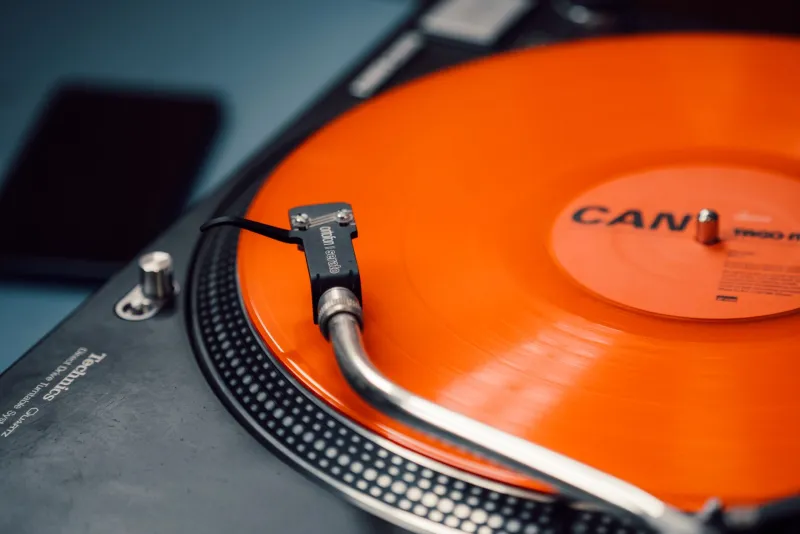
If you are building a vinyl-first system with a streamer on the side, Spotify plus BBC Sounds is a perfectly sane combination. If you are a hi-res collector, Qobuz is the closest thing to a no-brainer.
There is no single winner. There is only the service that suits your system, your library and your patience for settings. Your DAC deserves better than a default app with normalisation left on. Give it a fair test.